
As an Amazon Associate I earn from qualifying purchases.
Picking the right running shoes for women with plantar fasciitis comes down to arch support, heel cushioning, and how the shoe holds your foot. Some focus on wet-weather grip, while others keep things light for daily miles. The real difference is what each shoe does to protect your heel strike.
Our Top Picks
| # | Product | ||
|---|---|---|---|
| 1 |  | Brooks Adrenaline GTS 24 Best Weatherized Support | Check Price |
| 2 |  | New Balance Fresh Foam 520 Best Everyday Cushioning | Check Price |
| 3 |  | Brooks Revel 8 Best Neutral Ride | Check Price |
| 4 |  | New Balance Fresh Foam Roav Best Heel Lock | Check Price |
| 5 | 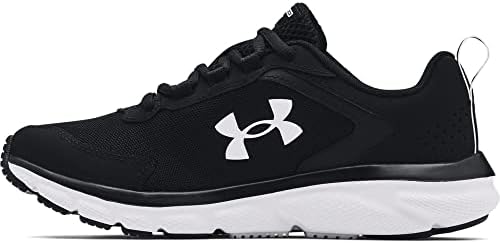 | Under Armour Charged Assert 9 Best Wide-Fit Stability | Check Price |
| 6 |  | New Balance Arishi V4 Best Lightweight Comfort | Check Price |
| 7 |  | Under Armour Charged+ Assert 11 Most Plush Midsole | Check Price |
1. Brooks Women’s Adrenaline GTS 24 Weatherized Supportive Running Shoe
Best for: runners needing strong support in wet weather
The Brooks Adrenaline GTS 24 uses a GuideRails Holistic Support System to keep your body moving naturally. It keeps excess movement in check so your body stays in its natural motion path. You get steady alignment instead of fighting your own stride.
The DWR mesh upper blocks water while managing temperature, so your feet stay dry on rainy mornings. A nitrogen-infused DNA Loft v3 midsole gives soft cushioning that adapts to your unique step. The outsole provides enhanced wet and dry traction for a secure grip on diverse surfaces. Pick a different model if you need a neutral shoe without structured support.
Pros
- GuideRails system limits excess foot movement
- DWR mesh keeps feet dry outside
- DNA Loft v3 adapts to your stride
Cons
- Designed around a holistic support system rather than a neutral ride
2. New Balance Women’s Fresh Foam 520 v9 Running Shoe
Best for: everyday runners wanting lightweight soft cushioning
This shoe uses precision-engineered Fresh Foam midsole cushioning to deliver a soft ride without adding heavy layers. It weighs only 208.2 grams, which helps your legs stay fresh during daily workouts. You move easier when the shoe doesn’t drag you down.
The breathable engineered mesh works with synthetic materials to create a durable runner for all-day wear. A lace-up closure lets you adjust the fit tightly around your midfoot. It features an approximate 10 mm heel-to-toe drop for a familiar running profile. Runners who need firm stability guides should look elsewhere, as this model offers neutral support.
Pros
- Fresh Foam provides ultra-cushioned ride
- 10 mm drop suits traditional running form
Cons
- Combines soft cushioning with neutral support
3. Brooks Women’s Revel 8 Neutral Running & Walking Shoe
Best for: walkers and runners wanting versatile daily comfort
That recognition matters when you’re dealing with heel pain and need trusted footwear. Its DNA Loft v2 cushioning adapts to your stride, weight, and speed. This helps deflect impact away from your body before it reaches your sensitive heel.
An updated engineered mesh upper gives structure while letting air flow freely to keep feet cool. The RoadTack rubber outsole is built for optimal rebound and traction on paved surfaces. Its sleek design transitions easily from morning runs to casual outings later.
4. New Balance Women’s Fresh Foam Roav Running Shoe
Best for: runners needing secure heel lock and plush feel
The standout feature here is the Ultra Heel design, which provides targeted support to lock your foot in place.
A plush Fresh Foam midsole absorbs impact to deliver a soft ride on roads. The bootie construction wraps your foot like a sock, removing irritating seams against your skin. It includes a removable insole with built-in arch support that adapts to your unique shape. Runners who prefer a traditional tongue-and-lace setup might find the bootie style too restrictive.
Pros
- Ultra Heel locks foot in place
- Bootie build removes irritating inner seams
- Removable insole has built-in arch support
Cons
- Bootie fit feels restrictive to some
5. Under Armour Womens Charged Assert 9DISC Running Shoe
Best for: wide-footed runners needing midfoot stability
Built specifically with wide sizing, this shoe fits athletes whose feet swell or naturally spread out.
The durable leather overlays work with a lightweight mesh upper to lock in your midfoot securely. A Charged Cushioning midsole uses compression-molded foam for responsiveness and lasting durability. The solid rubber outsole covers high-impact zones to handle heavy striking. Runners with narrow feet will find the wide build too loose for proper lockdown.
Pros
- Wide sizing fits broader feet comfortably
- Leather overlays lock down the midfoot
- Rubber outsole covers high-impact zones
Cons
- Too loose for narrow-footed runners
6. New Balance Women’s Fresh Foam Arishi V4 Running Shoe
Best for: runners seeking lightweight breathable daily comfort
Weighing just 194 grams, the Arishi V4 is built to disappear on your foot during all-day wear. Heavy shoes force your calves and arches to work harder with every single step. Dropping that weight gives your plantar fascia a break on longer days. Your muscles don’t have to fight the shoe itself.
The mesh upper with no-sew overlays creates a sleek fit without bulky stitching rubbing your skin. Precision-engineered Fresh Foam midsole cushioning delivers a soft, lightweight ride for everyday running. A durable rubber outsole supports daily athletic activity without wearing down fast. This model offers neutral support.
Pros
- Weighs a very light 194 grams
- No-sew overlays prevent skin irritation
- Fresh Foam cushions everyday runs softly
Cons
- Lacks advanced structural support guides
7. Under Armour Women’s Charged+ Assert 11
Best for: neutral runners wanting midsole softness
This shoe uses Charged+ midsole cushioning designed to provide softness for all-day comfort. When your heel strikes the ground, that extra plushness absorbs shock before it travels up your arch. It’s a direct defense against the sharp pain of plantar fasciitis. You land softer every single time.
The athletic mesh upper includes durable leather overlays for added dimension and midfoot support. Strategically-placed flex grooves in the rubber outsole allow for proper toe-off during your stride. It weighs 7.7 oz and uses standard tie laces for a familiar fit. Runners who require rigid stability posts won’t find them in this neutral design.
Pros
- Charged+ midsole gives softness
- Flex grooves allow natural toe-off
- Upper contains 30% recycled content
Cons
- Neutral build lacks rigid stability posts
Also Worth Considering
The NORTIV 8 Walking Shoes Running is often looked at by buyers who want a simple sneaker for casual walking rather than dedicated running mileage. It serves as a basic option for light daily tasks where heavy impact protection isn’t the main goal.
The Nike Swift Road Running Shoes appeals to runners who prefer the specific fit and styling Nike is known for on paved surfaces. It targets those who want a straightforward road shoe without complex support systems getting in the way.
The Under Armour Women’s Charged Assert is another variation of the brand’s popular lineup, offering standard-width options for those who don’t need the wide fit of the version reviewed above. It shares the same focus on midfoot lockdown and responsive foam for daily training.
Best Running Shoes for Plantar Fasciitis
Arch Support and Stability
Plantar fasciitis means your arch takes too much strain. Look for shoes with holistic support systems or firm midfoot overlays. These stop your foot from rolling inward too far. Without that control, your fascia stretches painfully with every step. Don’t pick a flat, flexible shoe if your arch collapses.
Heel Cushioning
Your heel hits the ground first, sending shock straight into the inflamed tissue. Seek out nitrogen-infused foam or thick midsoles designed to absorb impact. Soft cushioning protects the sensitive spot where the fascia connects to the bone. A hard heel strike will only make morning pain worse.
Weight Matters
Heavy shoes tire out your lower legs faster, forcing your arches to compensate poorly. Aim for designs listing their weight, like those with a lightweight feel. Lighter shoes reduce the pulling force on your plantar fascia. Carrying extra ounces all day adds up to serious strain.
Fit and Width
Swollen or wide feet crammed into narrow shoes change how you walk. Look for wide sizing or seamless bootie builds that don’t squeeze your toes. Proper width lets your foot splay naturally upon landing. Ignoring this leads to altered mechanics and more heel pain.
Traction Needs
Slipping causes sudden, jerky movements that tear at healing tissue. If you run outdoors in rain, choose outsoles made for wet and dry traction. Smooth pavement requires different rubber than gravel paths. Match the grip to your actual running surface to stay safe.
Narrow your choice by looking at your worst symptoms. If your heel slides, prioritize a locked-in back. If your arch falls flat, demand structured guides. Always match the shoe’s listed strengths to the exact way your foot fails during a run.
Common Mistakes to Avoid with Running Shoes For Women With Plantar Fasciitis
Ignoring Arch Support Needs
Many buyers grab soft shoes thinking cushion alone fixes everything. But without structural support, the arch still collapses under your weight. Soft foam without guidance just lets your foot sink badly. Always pair cushion with a system that controls your natural motion path.
Choosing the Wrong Width
Squeezing a wide foot into a standard shoe forces your toes together unnaturally. This shifts your balance outward and strains the fascia differently. Check if a brand offers wide sizing before buying. A proper fit prevents secondary pain from bad mechanics.
Overlooking Heel Lock Features
A heel that lifts inside the shoe rubs the tendon raw every mile. Buyers often focus on the sole and forget the back of the shoe. Look for targeted heel support or snug bootie designs. A locked heel means the shoe moves exactly when your foot does.
Buying Only for Style
Sleek shoes often skip the thicker midsoles needed for real shock absorption. Prioritizing looks leaves you with thin foam that bottoms out fast. Ensure the shoe lists impact-deflecting technology or thick cushioning materials. Your feet need engineering, not just a nice color.
Skipping Removable Insoles
Some runners use custom orthotics prescribed by their doctor for plantar fasciitis. Buying a shoe with a glued-in footbed ruins that plan. Always check for a removable insole so you can swap in your own medical inserts. Missing this detail means returning the whole pair.
Keep these mistakes in mind before clicking the buy button. Focus on what the shoe actually does for your specific heel pain, not just what it looks like or how soft it feels in the store.
Frequently Asked Questions
What makes a running shoe good for plantar fasciitis?
A good shoe needs thick heel cushioning to absorb shock and strong arch support to stop your foot from flattening out. It should also hold your heel firmly in place so the fascia doesn’t stretch too far when you land.
Should I choose neutral or support shoes for heel pain?
If your foot rolls inward when you walk, you need a support shoe with guide rails or firm overlays. If your stride is already straight, a neutral shoe with deep cushioning will give you the comfort you need without forcing your foot sideways.
Does shoe weight matter when my heel hurts?
Yes, heavier shoes force your leg muscles to work harder, which pulls tighter on the plantar fascia. Picking a lighter shoe reduces that constant dragging strain on your arch all day.
Can I use my own orthotic inserts in these shoes?
You can, but only if the shoe has a removable insole. Models that list a removable footbed let you take out the factory pad and slide in your custom orthotic for personalized arch support.
Is a wide shoe better for plantar fasciitis?
It’s if your feet naturally spread out or swell during exercise. A wide fit stops the sides of the shoe from squeezing your foot, which forces your arch into an unnatural shape and increases pain.
Why do some shoes have a heel-to-toe drop?
The drop is the height difference between the heel and the front of the shoe. A 10 mm drop raises your heel slightly, which takes tension off the Achilles tendon and the connected plantar fascia while you run.
The best shoe for your plantar fasciitis is the one that matches your specific foot mechanics. Focus on arch support, heel cushioning, and a secure fit rather than chasing generic labels. Read the listed features carefully to ensure the shoe handles the exact problem causing your pain.
