
As an Amazon Associate I earn from qualifying purchases.
Picking the right volleyball shoes for women comes down to how they handle jumps, landings, and fast side steps. What separates these picks is the cushioning type, the ankle height, and how the outsole grips the court. Some focus on keeping you cool, while others wrap your foot tight for stability.
Our Top Picks
| # | Product | ||
|---|---|---|---|
| 1 |  | Mizuno Wave Momentum 3 Best Overall | Check Price |
| 2 |  | Nike Zoom Hyperace 2 Best Impact Protection | Check Price |
| 3 | 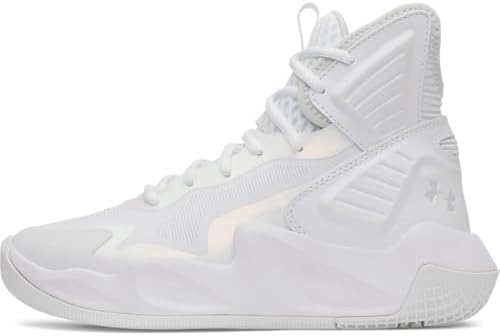 | Under Armour Highlight Ace 2 Best Ankle Support | Check Price |
| 4 |  | ASICS Gel-Rocket 12 Best Court Feel | Check Price |
| 5 |  | Adidas Crazyflight 6 Best Mid-Top Design | Check Price |
| 6 |  | Under Armour Ace Low 2 Most Breathable Upper | Check Price |
| 7 |  | ASICS Upcourt 6 Simplest Design | Check Price |
| 8 |  | Mizuno Cyclone Speed 5 Best for Beginners | Check Price |
| 9 |  | adidas Crazyflight 7 Lightest Cushioning | Check Price |
| 10 |  | Adidas Ligra 8 Best Indoor Traction | Check Price |
1. Mizuno Wave Momentum 3 Women’s Volleyball Shoe
Best for: Players needing maximum stability and soft cushioning.
The MIZUNO WAVE plate spreads out the force when you land from a jump. This means your feet get a stable platform instead of wobbling on impact. The MIZUNO ENERZY foam stays soft but bounces back quickly during long matches. You won’t feel like you’re sinking into the floor when you push off for a spike.
A DynamotionFit Bootie Construction wraps around your foot like a sock. This gives you a snug fit that keeps your heel locked in place during quick dives. The INTERCOOL ventilation system pushes heat out so your feet stay dry.
Pros
- Wave plate spreads landing impact evenly
- Enerzy foam gives soft, resilient bounce
- Bootie construction locks the heel securely
Cons
- Structured sole reduces barefoot court feel
2. Nike Womens Zoom Hyperace 2 Volleyball Shoe nkAA0286 100
Best for: Jumpers wanting lightweight impact protection on hardcourts.
The Zoom Air unit sits inside the sole to give you lightweight cushioning. When you land hard after blocking at the net, this unit returns energy to your step. It doesn’t weigh you down like thick foam might. Your legs stay fresher late in the fifth set because the shock is absorbed early.
A TPU cage wraps the midfoot to add support and stability when you change direction. The rubber outsole has a pattern made just for hardcourt surfaces. A pull tab on the heel lets you slide the shoe on fast between drills.
Pros
- Zoom Air unit absorbs heavy jump impacts
- TPU cage stabilizes fast lateral movements
- Heel pull tab speeds up changing shoes
Cons
- Outsole pattern works only indoors
3. Under Armour Women’s Highlight Ace 2 Volleyball Shoes
Best for: Players who need structured ankle support.
The high-top ankle collar gives you a lockdown fit around your joint. If you’ve rolled an ankle before, this structured wrap helps keep everything aligned during awkward landings. The UA HOVR cushioning in the midsole absorbs shock all game long. You get comfort without losing the firm feel needed for quick reactions.
An engineered woven jacquard upper breathes well while staying supportive where you push hardest. The separate tongue construction makes it easy to open the shoe wide for entry. A molded EVA sockliner feels good the moment you step in.
Pros
- High-top collar supports the ankle firmly
- UA HOVR cushioning absorbs repeated shocks
- Jacquard upper balances breathability and support
Cons
- High collar restricts full ankle movement
4. ASICS Women’s Gel-Rocket 12 Volleyball Shoes
Best for: Players wanting close contact with the floor.
GEL technology sits in the midsole to absorb shock without raising you too high off the ground. This keeps your court feel sharp so you know exactly where your edges are. TRUSSTIC technology runs through the middle of the sole to improve stability. You can plant your foot hard without the shoe twisting underneath you.
Flex grooves cut into the outsole let the shoe bend naturally with your toes. The breathable mesh upper keeps air moving when rallies get long. Note that this style runs small according to the listing details.
Pros
- GEL technology absorbs shock while staying low
- Flex grooves allow natural toe bending
- TRUSSTIC technology prevents midfoot twisting
Cons
- Style runs small requiring careful sizing
5. Adidas Women’s Crazyflight 6 Mid Top
Best for: Players wanting energy return in a mid-cut shoe.
The adidas BOOST midsole uses fused energy capsules to give you incredible power back. Every time you push off the floor, the material springs back to help your next move. This energy return matters most during tournaments where you play multiple games. Your legs don’t have to work as hard to generate lift.
This is a mid-cut shoe designed specifically for indoor sports. The lace closure ensures you can adjust the fit until it feels perfectly secure. It offers a regular fit that sits right between tight and loose. This shoe isn’t for players who prefer a low-profile sneaker since the mid-cut rises higher on the ankle.
Pros
- BOOST capsules return energy on every jump
- Mid-cut design supports indoor sport movements
- Lace closure allows precise fit adjustments
Cons
- Mid-cut height limits low-profile preference
6. Under Armour Women’s Ace Low 2 Volleyball Shoes
Best for: Players needing airflow in a low-cut shoe.
The engineered woven jacquard upper is built to be highly breathable. Air flows through the fabric to keep your feet cool during intense serves and digs. Because it’s woven, it still provides support where you need it without adding heavy layers.
This low-cut version uses the same UA HOVR cushioning found in the high-top model. The new outsole features a volleyball-specific design for lightweight traction. A rubber toe adds durability when you drag your foot diving for a ball.
Pros
- Woven jacquard upper maximizes airflow
- Volleyball-specific outsole grips the court
- Rubber toe protects against floor friction
Cons
- Low cut offers zero ankle collar support
7. ASICS Women’s Upcourt 6 Volleyball Shoes
Best for: Players wanting a simple, eco-conscious shoe.
This shoe focuses on the basics with breathable mesh underlays to manage sweat. The design is straightforward, making it easy to adapt to right out of the box. You get what you need for standard indoor play without unnecessary bulk.
The sockliner is made using a solution dyeing process. This method reduces water usage by approximately 33% compared to conventional dyeing technology. It also cuts carbon emissions by about 45%. Like the Gel-Rocket, this style runs small for some customers, so you may prefer to size up a half size.
Pros
- Mesh underlays provide basic reliable breathability
- Dyeing process saves significant water usage
- Simple design avoids unnecessary bulky layers
Cons
- Runs small requiring potential half-size increase
8. Mizuno Cyclone Speed 5 Volleyball Shoe
Best for: Beginners learning proper court movement.
This shoe is designed specifically for beginner players, especially those in junior and senior high school. The flat sole design helps new players get a real feel for the court surface. It bends easily so you learn how to push off correctly. Building good habits starts with feeling the floor beneath your feet.
Despite being flat, the sole remains highly-flexible yet stable. It won’t roll over when you make your first attempts at lateral shuffles. The shape comfortably fits a variety of foot shapes, which helps growing players. A non-marking outsole keeps gym floors clean.
Pros
- Flat sole teaches proper court feel
- Flexible design accommodates various foot shapes
- Non-marking outsole protects indoor gym floors
Cons
- Lacks aggressive cushioning for advanced jumping
9. adidas Women’s Crazyflight 7 Volleyball
Best for: Players prioritizing lightweight movements.
The LightstrikePro cushioning is built to keep your steps light. Unlike heavier foams, this material focuses on letting you move fast across the court. Quick transitions from defense to attack rely on shoes that don’t drag you down. This cushioning supports rapid changes in direction without feeling clunky.
The shoe features a synthetic upper paired with a textile sockliner. It maintains a regular fit secured by standard laces. The design strips away excess weight to focus purely on speed.
Pros
- LightstrikePro cushioning promotes fast court movements
- Synthetic upper keeps overall weight down
- Regular fit suits most standard foot shapes
Cons
- Lightweight build sacrifices deep plush padding
10. Adidas Womens Ligra 8 Indoor Volleyball
Best for: Players dragging their toes during serves.
The Adituff toe wraps around the front and medial forefoot to resist abrasion. During serves and volleys, players often drag their feet hard against the floor. This material protects the shoe from tearing open in those exact spots. Your footwear lasts much longer when the highest-friction areas are reinforced.
The mesh upper uses synthetic leather overlays to add support while breathing well. A cushioned midsole absorbs the shock of each step durably. The non-marking outsole is made specifically for indoor courts. This product features at least 20% recycled materials to reduce waste.
Pros
- Adituff wrapping prevents toe drag damage
- Recycled materials reduce overall environmental footprint
- Cushioned midsole absorbs daily step impacts
Cons
- Outsole design targets indoor courts only
A few other options are worth a look if the main list doesn’t fit your needs. The adidas Womens Ligra Indoor Volleyball shares the same core build as the Ligra 8 listed above. The ASICS Women’s Gel-Rocket Volleyball Shoes offer the same GEL technology in a different colorway. Finally, the ASICS Women’s Upcourt Volleyball Shoes provide that same simple, eco-friendly design in white and silver.
How to Choose the Best Volleyball Shoes For Women
Ankle Support Height
Volleyball requires sudden stops and jumps. A high-top collar wraps the ankle to limit rolling. A low-cut shoe allows full range of motion for fast players. Pick based on your injury history, not just comfort.
Cushioning Technology
Landing from blocks puts heavy stress on joints. Look for named tech like GEL, HOVR, or BOOST. These materials absorb shock differently. Thick foam feels softer but might raise you too high off the floor.
Outsole Grip and Markings
Indoor courts need specific rubber patterns. Always check for a non-marking outsole so you don’t leave scuffs. Traction designed for hardcourts prevents slipping during dives. Outdoor rubber will collect dust and slide dangerously indoors.
Toe Durability
Serving and lunging cause severe toe drag. Shoes with a rubber toe cap or abrasion-resistant wrapping last much longer. Without this protection, the mesh upper tears quickly. Check the forefoot reinforcement before buying.
Fit and Sizing
Many court shoes run small compared to street sneakers. Read the listing notes carefully regarding sizing. A snug fit prevents sliding inside the shoe, but too tight causes blisters. Consider going up a half size if noted.
Breathability
Long tournaments make feet sweat heavily. Look for mesh uplays or woven jacquard fabrics. Ventilation systems push hot air out. Dry feet grip the inside of the shoe better and prevent skin issues.
Narrow your choice by matching the shoe to your position and physical needs. Setters might prefer lightweight, low-cut shoes for speed. Middle blockers usually need maximum cushioning for constant jumping. Always prioritize the features that protect your specific weak points on the court.
Common Mistakes to Avoid When Buying Volleyball Shoes For Women
Using Running Shoes on the Court
Running shoes are built for forward motion. Volleyball requires heavy lateral movement. A running shoe lacks the side support needed for digging. You risk rolling your ankle badly. Always choose a shoe with a volleyball-specific outsole.
Ignoring the Sizing Notes
Court shoes often fit tighter than casual sneakers. Buyers frequently order their normal street size and end up with painful pressure. Check if the listing says the shoe runs small. Sizing up a half size is often necessary for a proper fit.
Overlooking Toe Protection
New players forget how much they drag their feet during serves. Buying a shoe with only thin mesh at the front leads to fast wear. Look for Adituff or a rubber toe guard. This single feature extends the life of your shoe significantly.
Choosing Style Over Stability
Bright colors don’t win matches. Buyers sometimes pick a shoe for its look rather than its TPU cage or wave plate. Stability features keep your foot planted during hard landings. Prioritize structural support over visual design for safer play.
Forgetting About Court Surfaces
Not all indoor courts are identical. Some are polished wood, others are synthetic. A gum rubber sole grips differently than solid black rubber. Ensure the traction pattern matches the type of facility where you play most often.
Avoiding these mistakes keeps you safe and makes your gear last longer. Focus on lateral support, correct sizing, and durable materials. Your shoes should protect your joints and grip the floor reliably. Never compromise safety for a familiar size or a preferred color.
FAQ
Can I use regular sneakers for volleyball?
Regular sneakers lack the lateral support needed for side-to-side movements. They also don’t have non-marking soles, which gyms require. Using them increases your risk of ankle injuries significantly.
Do volleyball shoes run true to size?
Many models run slightly small to provide a snug, locked-in fit. Listings often note if you should size up a half size. Always check the specific brand’s fit notes before ordering.
How often should I replace my court shoes?
It depends on how many hours you play weekly. Once the outsole tread wears smooth, you lose traction and risk slipping. Heavy players may need new pairs every season due to compressed cushioning.
Are high-top volleyball shoes better than low-tops?
High-tops offer more structured ankle support, which helps players prone to rolling. Low-tops allow greater flexibility and faster movement. Neither is universally better; it depends on your injury history.
Why do my toes wear through the mesh so fast?
Volleyball involves dragging the trailing foot during serves and lunges. If your shoe lacks a reinforced toe guard or rubber cap, the mesh tears quickly. Look for abrasion-resistant wrapping on the forefoot.
Can I wear indoor volleyball shoes outside?
No, the soft rubber outsoles are designed only for smooth indoor courts. Concrete and asphalt will shred the traction pattern rapidly. Dust from outdoors also makes the soles dangerously slippery inside.
Conclusion
The right pair of volleyball shoes for women depends entirely on your position, your foot shape, and your history with ankle injuries. Focus on the listed technologies like cushioning type, toe guards, and outsole grip rather than brand names alone. A shoe that fits properly and supports your specific movements will always serve you best on the court.
