
As an Amazon Associate I earn from qualifying purchases.
Finding the right pair of best Weight Lifting Shoes For Women comes down to one thing: what your feet actually do under a barbell. A flat sole keeps you grounded for deadlifts, while a raised heel helps you sit deeper into squats. The real difference between these picks isn’t just foam or rubber; it’s how each shoe handles the specific movement you’re training today.
Our Top Picks
| # | Product | ||
|---|---|---|---|
| 1 |  | Adidas Dropset Vario Best Overall | Check Price |
| 2 |  | Adidas Powerlift 5 Best Raised Heel | Check Price |
| 3 | 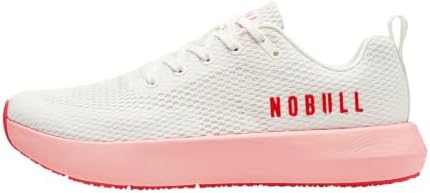 | NOBULL Drive 2 Best Hybrid Trainer | Check Price |
| 4 |  | Reebok Nano X5 Best Cross-Training | Check Price |
| 5 |  | MANUEKLEAR Deadlift Shoes Best for Deadlifts | Check Price |
| 6 |  | DEWEAR Weight Lifting Shoes Most Lightweight | Check Price |
| 7 |  | Skerxut Fitness Shoes Best Flat Sole | Check Price |
| 8 |  | Reebok NFX Trainer 2 Best Stability | Check Price |
| 9 |  | MANUEKLEAR Deadlift Shoe Best Unisex Fit | Check Price |
1. adidas Women’s Dropset Vario Training
Best for: Lifters needing a wide base for heavy compound lifts.
The wide fit design lets your toes spread out naturally when you’re pushing heavy weight. That broader base stops your foot from wobbling under the bar. It uses a Repetitor foam midsole that gives back energy without feeling soft or squishy. You get a firm platform that stays solid during your heaviest sets.
A TPU midfoot torsion system locks the center of the shoe so your foot won’t twist during lunges. The breathable mesh upper moves air around your foot when training gets hot. This shoe isn’t for someone who wants a narrow, snug racing fit.
Pros
- Wide fit allows natural toe splay
- TPU torsion system prevents foot rotation
- Repetitor foam gives consistent energy return
Cons
- Wide fit design, so anyone needing a narrow shoe has to plan around it.
2. Adidas Unisex-Adult Powerlift 5 Weightlifting
Best for: Squatters wanting a dedicated raised heel for depth.
This shoe features a 15 mm heel lift that changes your ankle angle and helps you hit proper squat depth. That fixed height is built specifically for moving weight vertically. An adjustable lace system pairs with a wide hook-and-loop top strap to lock your foot down tight. You won’t slide forward inside the shoe when driving up from the bottom of a squat.
The textile and synthetic upper keeps the shoe light. A rubber outsole grips the platform so your feet don’t slip during heavy pulls. The rigid raised heel makes dynamic movements feel awkward and unnatural.
Pros
- 15 mm heel lift aids squat depth
- Hook-and-loop strap ensures secure lockdown
- Textile upper balances breathability and durability
Cons
- Raised heel limits jumping ability
3. NOBULL Women’s Drive 2
Best for: Athletes mixing heavy lifts with fast cardio circuits.
Built as a hybrid training shoe, this model handles both barbell work and fast-paced gym sessions. It has a low 4 mm drop that keeps you close to the ground without being completely flat. That slight elevation works well when you transition from squats to burpees. The high-resilience EVA blend cushions your landing but stays firm enough to push against.
An engineered mesh upper lets heat escape when your heart rate spikes. The multidirectional rubber tread grips the floor during side-to-side drills. Weighing 7.9oz in a women’s size 8.5, it moves easily through agility work. The flexible EVA foam compresses too much under maximum loads.
Pros
- 4 mm drop supports varied gym movements
- High-resilience EVA absorbs jump impact
- Multidirectional tread grips during lateral drills
Cons
- Listed at 7.9oz, which anyone with a lighter target has to plan around.
4. Reebok Nano X5 Sneakers
Best for: Gym goers doing daily cross-training and short runs.
This shoe uses a dual-density midsole that changes how the foam feels from heel to toe. The firmer foam in the back keeps you stable when lifting weights. The softer foam in the front gives you a springy push-off for fitness classes. That split design means you don’t have to change shoes between the squat rack and the treadmill.
A Flex Weave upper wraps the foot lightly while letting air flow through the fabric. The plush collar hugs your ankle so the shoe doesn’t rub during long sessions. A decoupled outsole bends naturally when you walk or jog short distances. The flexible forefoot lacks the rigid base needed for max-effort squats.
Pros
- Dual-density midsole balances stability and bounce
- Flex Weave upper provides lightweight breathability
- Plush collar locks the ankle comfortably
Cons
- Designed for mixed workouts not pure lifting
5. MANUEKLEAR Strong Anti-Slip Deadlift Lifting Squat Shoes
Best for: Lifters focused purely on deadlifts and heavy pulls.
These shoes use a reinforced chassis and widened heels to keep your base completely flat and steady. That structure stops the shoe from rolling inward when you pull heavy weight off the floor. A 2cm height difference between the front and back reduces the angle on your calves. This setup shifts pressure away from your joints during deadlifts and power cleans.
The outsole features a honeycomb structure that grips the floor from multiple angles. Seamless TPU technology stops the material from warping when it gets wet from sweat. Laces and magic tape straps work together to lock your foot inside. This shoe isn’t for athletes who run or do plyometrics.
Pros
- Reinforced chassis prevents inward foot roll
- Honeycomb outsole delivers multi-angle traction
- Dual closure system ensures locked-in fit
Cons
- Rigid build restricts jumping movements
6. DEWEAR Weight Lifting Shoes
Best for: Lifters preferring a barefoot feel with added grip.
The zero-drop flat sole puts your entire foot on the same level as the floor. This barefoot-like feedback helps you feel exactly where your weight sits during a lift. Pressure spreads evenly across your foot instead of focusing on your heel. That even distribution improves your control when pulling heavy or squatting deep.
Dual hook-and-loop straps wrap over the top to hold your foot firmly in place. You can adjust them quickly between sets without untying laces. A breathable mesh upper wicks moisture away so your feet stay dry during hard work. This shoe isn’t for someone who needs arch support or heel cushioning. The completely flat, thin sole offers zero shock absorption for running.
7. Skerxut Fitness Shoes Deadlift Shoes Cross-Trainer Sneakers
Best for: General fitness routines requiring basic athletic footwear.
This shoe is listed simply as an athletic shoe designed for exercise and fitness. The outer material is made of spandex, which stretches to fit the foot closely. It features a solid pattern type without complex overlays or rigid structures. The special feature noted is slip resistance and wear durability for standard gym floors.
Because the listing provides very few technical details, there’s little else to confirm about its lifting capability. Spandex offers a snug fit but usually lacks the rigid support needed for heavy barbells. This shoe isn’t for a serious lifter tracking specific heel drops or midsole densities. Without detailed specifications, it remains a basic option for light general workouts.
8. Reebok NFX Trainer 2 Cross Training Womens Shoes
Best for: Dynamic workouts needing strong heel stability and comfort.
A TPU heel clip wraps the back of your foot to stop it from shifting sideways. That rigid plastic piece gives you a stable base when changing directions quickly. The EVA midsole underneath cushions your step during jumps or short runs. Together they balance the hard support you need for lifting with the softness required for cardio.
The shoe includes a removable INSITE LuxComfort sock liner made of open-cell PU foam. Heat-pressed overlays on the mesh upper add strength without adding heavy layers. This shoe isn’t for someone who wants a minimalist, ground-feel experience.
9. MANUEKLEAR Deadlift Shoe
Best for: Lifters wanting a lightweight barefoot-style gym shoe.
Weighing only 217g, this shoe feels closer to a thick sock than a traditional lifting boot. That light build lets your foot move freely through different ranges of motion. The sole is laterally widened to give you a bigger footprint on the gym floor. A sturdy rubber bottom resists abrasion when dragging your feet during deadlift setups.
Double nylon velcro-tape straps cross over the top to secure the shoe instantly. A heel support pad sits behind your ankle to improve stability without adding stiffness. The breathable mesh fabric keeps the interior dry during long sessions. This shoe isn’t for someone who needs a raised heel for squats. The flat, flexible design focuses entirely on ground contact rather than joint angle correction.
Pros
- Weighs only 217g for maximum freedom
- Widened sole increases floor contact area
- Double velcro straps provide instant security
Cons
- Flat design offers no raised heel
- Flexible sole limits heavy squat support
Also Worth Considering
The AIRHAS Womens Gym Barefoot Shoes offer a zero-drop design for those who prefer minimal interference between their feet and the floor during lifts.
The Xero Shoes Barefoot Training Shoes are known for wide toe boxes and flexible soles, catering to athletes who prioritize natural foot movement in the gym.
The Ryka Influence Cross Training Shoes are built specifically on a women’s last, providing targeted support for narrower heels and wider forefeet during mixed workouts.
How to Choose Weight Lifting Shoes
Heel Height and Drop
The distance between your heel and toe changes how your body moves. A raised heel like the 15 mm lift helps you squat deeper by opening your ankle angle. A zero-drop flat sole keeps you grounded for deadlifts. Pick the height that matches your main lift.
Sole Rigidity
Soft foam squishes when you push heavy weight into the floor. A firm platform transfers your power directly into the ground instead of absorbing it. Look for dense midsoles or reinforced chassis designs. Avoid running shoes that bend easily under load.
Upper Material and Breathability
Gym workouts generate heat, and trapped sweat makes your foot slide inside the shoe. A breathable mesh upper pushes hot air out and keeps your foot locked in place. Synthetic overlays add durability where the barbell might scrape. Make sure the material holds its shape when pulled tight.
Closure Systems
Laces alone sometimes let the midfoot shift during explosive movements. Adding a hook-and-loop strap clamps the top of your foot down securely. Some shoes use double velcro tapes for adjustments between sets. Choose a closure that stops your heel from lifting out.
Footprint Width
Your toes need room to spread out when you brace for a heavy lift. A wider base creates a larger foundation and stops you from tipping sideways. If your foot spills over the edge of a narrow sole, you’ll lose balance. Match the shoe’s width to your natural foot shape.
Narrow down your choice by looking at the exact exercises you do most often. If you only deadlift, grab a flat, grippy sole. If you mix lifting with jumping, find a hybrid with moderate cushioning. Always check what the manufacturer states about the materials and intended use before deciding.
Common Mistakes When Buying Lifting Shoes
Using Running Shoes for Heavy Lifts
Running shoes have thick, soft foam designed to absorb impact. That same foam compresses unevenly when you stand under a heavy barbell. Your ankles wobble, and you lose power transfer to the floor. Switch to a shoe with a dense, flat, or rigidly supported sole.
Ignoring the Heel-to-Toe Drop
Buying a shoe without checking the drop leads to poor positioning. A high drop helps squatters but ruins your mechanics for deadlifts. A zero-drop shoe is perfect for pulling but might limit your squat depth. Read the millimeter measurements in the listing before buying.
Overlooking Strap Security
Relying only on standard laces leaves your midfoot loose during lateral movements. When you step sideways or catch a clean, your foot slides inside the mesh. A velcro strap or torsion system locks the bones in place. Ensure the shoe has a secondary closure method for heavy days.
Choosing the Wrong Size
Lifting shoes shouldn’t fit like casual sneakers with extra toe room. Too much space means your foot shifts forward when you push backward. Measure your foot length and follow the brand’s specific chart. A snug fit ensures your heel stays planted against the back of the shoe.
Prioritizing Looks Over Function
Picking a shoe because it matches your outfit ignores what the sole actually does. Focus on the chassis material, rubber grip, and structural support. The shoe must handle the force you put through it safely.
Keep these mistakes in mind when comparing your options. Check the sole thickness, verify the closure types, and measure your foot accurately. A shoe built for the specific lift you perform will always serve you better than a generic sneaker worn just for appearance.
FAQ
Can I use the same shoes for deadlifts and squats?
You can, but you’ll compromise on one of the lifts. Deadlifts benefit from a completely flat, zero-drop sole to shorten the pulling distance. Squats usually require a raised heel to help you reach proper depth without rounding your lower back. Hybrid shoes exist, but dedicated lifters often keep two separate pairs.
Why do some lifting shoes have a strap over the laces?
The strap locks your midfoot down into the sole of the shoe. When you push heavy weight, your foot tries to slide forward or roll sideways. Laces alone stretch and loosen under that extreme tension. The hook-and-loop strap prevents that movement and keeps your base completely rigid.
What does zero-drop mean in a lifting shoe?
Zero-drop means the heel and the toe sit at the exact same height from the floor. There’s no elevated cushion pushing your heel upward. This design mimics standing barefoot, giving you maximum ground contact and balance. It’s heavily preferred for deadlifts and low-bar squats.
How should a weightlifting shoe fit compared to a regular sneaker?
A lifting shoe needs to fit much tighter than a walking or running shoe. Your toes should touch near the end without curling, and your heel must not slip when you walk. Any empty space inside the shoe creates instability when you load a barbell. Always consult the specific brand’s sizing chart for accuracy.
Are breathable mesh uppers durable enough for heavy lifting?
Yes, provided the mesh is reinforced with structural overlays or a rigid midfoot cage. The mesh itself just manages heat and moisture to keep your foot comfortable. The actual support comes from the sole, the straps, and the synthetic framing around the fabric. Look for listings that mention torsion systems or heat-pressed overlays.
Do heavier lifting shoes mean better stability?
Not necessarily. Stability comes from the density of the midsole and the width of the base, not the overall weight of the shoe. A lightweight shoe with a reinforced chassis and a wide footprint will outperform a heavy, soft shoe every time. Focus on the materials used for the sole rather than the total grams.
Conclusion
The single most useful takeaway is that your main lift dictates your shoe. If you squat heavy, you need a raised heel and rigid support. If you deadlift, you need a flat, zero-drop sole with maximum grip. Stop treating all gym shoes the same, and match the tool to the specific job you’re doing under the bar.
