
As an Amazon Associate I earn from qualifying purchases.
Picking a running shoe online is hard. Every listing sounds great, the names look almost the same, and you can’t jog down the street in them first. That’s the real problem with shopping for the best Asics running shoes for women — the differences hide in the details. This guide walks through eight models, what each one is actually built for, and who should skip it. By the end, you’ll know which pair fits the running you do.
Our Picks
| # | Product | ||
|---|---|---|---|
| 1 |  | ASICS Gel-Cumulus 27 Best Overall | Check Price |
| 2 |  | ASICS Gel-Nimbus 27 Most Cushioned | Check Price |
| 3 |  | ASICS GT-2000 13 Best Stability | Check Price |
| 4 |  | ASICS GT-1000 14 Best Lightweight Support | Check Price |
| 5 |  | ASICS Gel-Excite 11 Best for Beginners | Check Price |
| 6 | 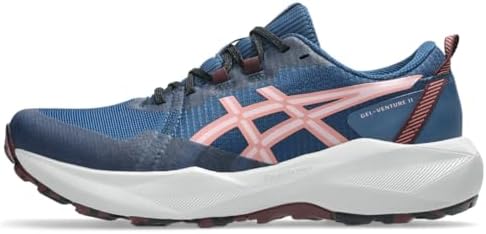 | ASICS Gel-Venture 11 Best Trail Shoe | Check Price |
| 7 |  | ASICS GT-2000 14 Best for Daily Training | Check Price |
| 8 |  | ASICS NOVABLAST 5 Best for Tempo Runs | Check Price |
1. ASICS Women’s Gel-Cumulus 27 Running Shoes
Best for: Runners who want one cushioned shoe for daily miles
This is the all-rounder of the group. FF BLAST PLUS cushioning is built to give lightweight impact absorption with a responsive rebound, and PureGEL works on softer landings. The engineered mesh upper helps with breathability, while the FLUIDRIDE outsole is designed to create a smoother stride. In daily use, that adds up to a soft ride that still moves you forward.
Small details matter here too. Reflective details are designed to help visibility when you’re out early or late. The sockliner uses a solution dyeing process that cuts water usage by about 33% and carbon emissions by about 45%, and at least 75% of the main upper is recycled content. It isn’t for you if you like a firm, ground-feel ride, since cushioning is the whole point.
Pros
- FF BLAST PLUS gives lightweight impact absorption
- PureGEL helps provide softer landings
- Upper is at least 75% recycled content
Cons
- Cushioning-first build, so firm-ride fans look elsewhere
2. ASICS Women’s Gel-Nimbus 27 Running Shoes
Best for: Runners who want the softest landing they can find
PureGEL is there for softer landings, and FF BLAST PLUS ECO cushioning uses roughly 24% bio-based content from renewable sources, aimed at a softer landing and a more responsive toe-off. The engineered jacquard mesh upper wraps the foot with a soft feel.
Two things to know before you buy. First, the listing says this shoe runs large, so the fit you get may not match your usual size. Second, the HYBRID ASICSGRIP outsole rubber is designed for grip, and the OrthoLite X-55 sockliner improves step-in comfort. This isn’t the pair for someone chasing a fast, firm tempo feel.
Pros
- PureGEL designed for softer landings
- FF BLAST PLUS ECO uses about 24% bio-based content
- Upper is at least 75% recycled content
Cons
- Listing states the shoe runs large
- Plush build, so it’s not a firm speed shoe
3. ASICS Women’s GT-2000 13 Running Shoe
Best for: Runners who want guidance through their stride
If your feet roll inward, this is the model built for you. The 3D GUIDANCE SYSTEM is designed to provide advanced stability for a smoother stride, and it works with a jacquard mesh upper that offers a supportive, comfortable foothold. Rearfoot PureGEL handles softer landings, while FF BLAST PLUS brings lightweight impact absorption and a responsive rebound.
Day to day, that mix means a guided ride that doesn’t feel like a brick. The AHARPLUS heel plug rubber is there to improve durability in the spot that wears first, which matters if you’re logging regular miles. At least 50% of the main upper is recycled content. It’s not the pick for a neutral runner who wants pure softness with no guidance.
Pros
- 3D GUIDANCE SYSTEM for advanced stability
- Rearfoot PureGEL for softer landings
- AHARPLUS heel plug helps improve durability
Cons
- Stability focus, so neutral runners may find it guided
4. ASICS Women’s GT-1000 14 Running Shoes
Best for: Runners who want light support without bulk
This one keeps the support but trims the build. The engineered mesh upper is a lightweight, breathable material that helps reduce the need for extra overlays. The 3D GUIDANCE SYSTEM is described as an adaptive, on-demand stability system built through platform geometry and controlled deformation. FF BLAST cushioning blends cloud-like softness with a responsive ride.
The rearfoot PureGEL here is the updated version, listed as approximately 65% softer than standard GEL technology. The Hybrid Max Lite sockliner is designed for moisture management, breathability and cushioning, and AHAR LO outsole rubber is placed in key areas for grip and traction without giving up durability. The listing says it runs small, so check the size chart. It isn’t for a runner who needs maximum cushioning.
Pros
- 3D GUIDANCE SYSTEM gives adaptive stability
- Rearfoot PureGEL listed as about 65% softer
- Hybrid Max Lite sockliner manages moisture
Cons
- Listing states the shoe runs small
- Lighter cushioning than the max-soft models
5. ASICS Women’s Gel-Excite 11 Running Shoes
Best for: New runners buying their first real pair
Beginners don’t need a complicated shoe, and this listing keeps things simple. PureGEL is the updated GEL, listed as approximately 65% softer than standard GEL technology. AMPLIFOAM PLUS cushioning is made to give a softer, more comfortable ride than standard AMPLIFOAM. The engineered mesh upper is lightweight and breathable.
Practical touches help too. The knit heel pull tab makes the shoe easier to put on and take off, which is a small thing you’ll notice every run. Reflective details are designed to help visibility, and the OrthoLite X-30 sockliner adds cushioning and moisture management for a cooler, drier feel. At least 75% of the main upper is recycled content. The listing says it runs small.
Pros
- PureGEL listed as about 65% softer
- AMPLIFOAM PLUS for a softer ride
- Knit heel pull tab for easy on and off
Cons
- Listing states the shoe runs small
6. ASICS Women’s Gel-Venture 11 Running Shoes
Best for: Runners who mix roads with gravel and paths
The listing describes a mesh upper with rearfoot GEL technology, a shock-attenuating material placed in the midsole for cushioning and shock absorption. AMPLIFOAM PLUS cushioning gives a softer, more comfortable ride than standard AMPLIFOAM.
The OrthoLite Hybrid Max Lite sockliner is designed for moisture management, breathability and cushioning. The sockliner also uses solution dyeing, cutting water usage by about 33% and carbon emissions by about 45%. The listing says it runs large. It isn’t the shoe for someone who wants a fast, lightweight road ride.
Pros
- Rearfoot GEL for cushioning and shock absorption
- AMPLIFOAM PLUS for a softer ride
Cons
- Listing states the shoe runs large
7. ASICS Women’s GT-2000 14 Running Shoes
Best for: Runners logging steady miles who want some support
This is the stability model tuned for everyday training. FF BLAST MAX cushioning is described as one of Asics’ most energetic midsole foams, with cloud-like softness and responsive energy return. A trampoline-inspired outsole pod is designed to capture more energy return for a bouncing effect at toe-off. The 3D GUIDANCE SYSTEM adds adaptive, on-demand stability.
Comfort details are thoughtful. The asymmetric tongue wing gives a secure feel around the midfoot while reducing tongue movement, and the woven mesh upper is breathable material that helps keep feet dry. Rearfoot PureGEL is listed as approximately 65% softer than standard GEL. The listing says it runs large, so size carefully. It’s not for you if you want a minimal, low-profile ride.
Pros
- FF BLAST MAX for energetic cushioning
- 3D GUIDANCE SYSTEM gives on-demand stability
- Asymmetric tongue wing reduces tongue movement
Cons
- Listing states the shoe runs large
- Cushioned and guided, not a minimal ride
8. ASICS Women’s NOVABLAST 5 Running Shoe
Best for: Runners who want a lively feel on speed days
This is the fun one in the lineup. FF BLAST MAX cushioning is built to provide a lightweight and energetic ride, and a trampoline-inspired outsole design helps give a more responsive bounce back. The breathable engineered jacquard mesh upper keeps the top light, and tongue wing construction adds stretch for fit while reducing tongue movement.
For daily training, the AHAR LO outsole rubber is there for better traction, improved softness and advanced durability. Reflective details are designed to help visibility in low-light settings, and at least 75% of the main upper is recycled material. The bounce is the point, so it isn’t the shoe for someone who wants a plush, sinking-into-the-foam landing.
Pros
- FF BLAST MAX for a lightweight, energetic ride
- Trampoline-inspired outsole for bounce back
- Upper is at least 75% recycled materials
Cons
- Bounce-focused, so landings feel less plush
How to Choose the Right Pair
Start With Your Stride, Not the Color
The single biggest decision is whether you need guidance or not. Shoes like the GT-2000 13 and GT-1000 14 list a 3D GUIDANCE SYSTEM, described as adaptive, on-demand stability built through platform geometry. Shoes like the Gel-Cumulus 27 and Gel-Nimbus 27 don’t list a stability system at all. If your feet roll inward and your ankles feel tired after long runs, a guided shoe is worth considering. If you’re a neutral runner, extra guidance can feel like the shoe is steering you. A specialty running store can watch you run and tell you which one you are.
Get the Size Right First
Sizing varies more than most buyers expect, and the listings here prove it. The Gel-Nimbus 27, Gel-Venture 11 and GT-2000 14 all state they run large. The GT-1000 14 and Gel-Excite 11 state they run small. Same brand, opposite advice. Read the sizing note on the exact model you’re buying, not on the brand. Also think about when you run, since feet swell through the day. A shoe that fits at 7am may feel tight at noon.
Decide How Much Cushioning You Want
The foam names tell you a lot once you know the order. FF BLAST is the base cushioning used in the GT-1000 14. FF BLAST PLUS appears in the Gel-Cumulus 27 and GT-2000 13, adding lightweight impact absorption and a responsive rebound. FF BLAST MAX sits in the GT-2000 14 and NOVABLAST 5, described as one of the most energetic midsole foams with cloud-like softness. More cushioning usually means more material under your foot. Think about whether you want a soft landing or a firmer, more connected feel.
Look at the Upper and Sockliner
These are the parts you feel in the first ten seconds. Engineered mesh uppers, like the ones on the Gel-Cumulus 27 and Gel-Excite 11, are listed for breathability. Jacquard mesh, used on the GT-2000 13 and Gel-Nimbus 27, is listed as supportive and soft-wrapping. The sockliner matters too, and the listings name three: OrthoLite X-30, OrthoLite X-55 and Hybrid Max Lite, each tied to step-in comfort or moisture management. If your feet run hot, that’s where to look.
Check the Outsole for Where You Run
The rubber tells you what the shoe was built for. AHARPLUS heel plug rubber on the GT-2000 13 and GT-2000 14 is designed to improve durability at the heel, the spot that wears first for many runners. AHAR LO outsole rubber on the GT-1000 14 and NOVABLAST 5 is placed in key areas for grip and traction without losing durability. The Gel-Venture 11 uses a molded rubber outsole for looser ground. If you mostly run roads, a road outsole is fine.
Match the Shoe to Your Training
Once you know your stride, size, cushioning preference and surface, the shortlist gets small fast. Think about how far you run, how often, and whether you want one shoe or two. The GT-2000 14 is aimed at steady training miles with support. The NOVABLAST 5 is built for bounce and speed days. A beginner may only need the Gel-Excite 11, while a runner chasing comfort on long easy days will lean toward the Gel-Nimbus 27. Write down your two or three must-haves, then pick the model that lists all of them.
Common Mistakes to Avoid with the Asics Running Shoes For Women
Assuming Every Asics Model Fits the Same
This is the most common sizing mistake. The listings reviewed here give opposite sizing advice within one brand: the Gel-Nimbus 27, Gel-Venture 11 and GT-2000 14 all state they run large, while the GT-1000 14 and Gel-Excite 11 state they run small. Buyers assume their usual Asics size carries over, then end up with a shoe that rubs or slides. Check the sizing line on the exact model page before you order. If you’re between sizes, that note matters more than any review.
Buying a Stability Shoe You Don’t Need
Stability is a tool, not an upgrade. The GT-2000 13 and GT-1000 14 both list a 3D GUIDANCE SYSTEM, described as adaptive stability built through platform geometry. That’s genuinely useful if your feet roll inward. If they don’t, you may find the guidance distracting and the ride less natural than a neutral shoe. Many buyers assume more support equals better protection. It doesn’t work that way. Figure out your stride first, then decide whether guidance helps or hinders.
Chasing Foam Names Without Understanding Them
FF BLAST, FF BLAST PLUS and FF BLAST MAX aren’t just marketing tiers, they describe different rides. FF BLAST is listed as cloud-like cushioning with a responsive ride. FF BLAST PLUS adds lightweight impact absorption and a responsive rebound. FF BLAST MAX is described as one of the most energetic midsole foams with cloud-like softness. Buyers grab the newest name and end up with a ride they don’t enjoy. If you like a firmer feel underfoot, a max-cushion shoe can feel slow and vague.
Ignoring the Sockliner and Upper
Runners focus on the midsole and forget the parts touching their feet. The OrthoLite X-30 sockliner is listed for soft step-in comfort and moisture management. The OrthoLite X-55 improves step-in comfort, and Hybrid Max Lite is designed for moisture management, breathability and cushioning. The upper matters just as much: engineered mesh is breathable and light, while jacquard mesh wraps with a supportive feel. If you blister or overheat, these details are the fix.
Wearing the Wrong Shoe for the Surface
A road shoe on a muddy trail is a slip waiting to happen. The Gel-Venture 11 is the trail option here, with a molded rubber outsole and rearfoot GEL technology for shock absorption on uneven ground. The road models use rubber like AHARPLUS and AHAR LO, designed for grip and durability on pavement, not loose gravel. Buyers buy one pair and expect it to do everything. If your runs mix surfaces, be honest about the split, because that decides which outsole you need.
Forgetting That Fit Beats Features
Before you buy, remember the simple things. Confirm the sizing note for the exact model, since the listings disagree across the range. Decide whether you need guidance or a neutral ride. Pick a cushioning level you’ll actually enjoy, not the one with the longest feature list. Match the outsole to your surface, and check the upper and sockliner if you run hot or blister easily. Get those four right and the model almost picks itself.
FAQ
How do I know if I need a stability shoe?
It comes down to your stride. Stability models like the GT-2000 13 and GT-1000 14 list a 3D GUIDANCE SYSTEM, described as adaptive, on-demand stability. If your feet roll inward and your ankles tire on longer runs, that guidance can help. If your stride is neutral, a shoe without a listed stability system, like the Gel-Cumulus 27, may feel more natural.
Do Asics running shoes run true to size?
Not across the board. The listings reviewed here say the Gel-Nimbus 27, Gel-Venture 11 and GT-2000 14 run large, while the GT-1000 14 and Gel-Excite 11 run small. That’s why you should read the sizing note on the specific model page rather than trusting your usual size. Try them on indoors first if you can.
What’s the difference between GEL and FF BLAST?
They’re two different parts of the shoe. GEL technology sits in the midsole to absorb shock and soften landings, and the updated PureGEL is listed as approximately 65% softer than standard GEL on some models. FF BLAST is the foam, with tiers like FF BLAST, FF BLAST PLUS and FF BLAST MAX offering different levels of cushioning and energy return.
Can I wear a road running shoe on trails?
You can, but grip suffers. The road models here use rubber like AHARPLUS and AHAR LO, designed for traction and durability on pavement. For loose or uneven ground, the Gel-Venture 11 uses a molded rubber outsole with rearfoot GEL for shock absorption. If most of your miles are on roads, stick with a road shoe.
How long should a running shoe last?
Sellers don’t print a mileage number on these listings, so judge by wear instead. Look at the outsole, because that’s where durability is engineered in: AHARPLUS heel plug rubber on the GT-2000 13 and GT-2000 14 is designed to improve durability in the heel area. When the tread smooths out or the midsole feels flat, it’s time to replace them.
Conclusion
The most useful thing to take away is that these shoes aren’t ranked by brand — they’re built for different jobs. Match the sizing note, your stride type, your cushioning preference and your surface to the model, and the choice gets simple. Pick the one that fits the running you actually do, and you’ll get far more out of it.
